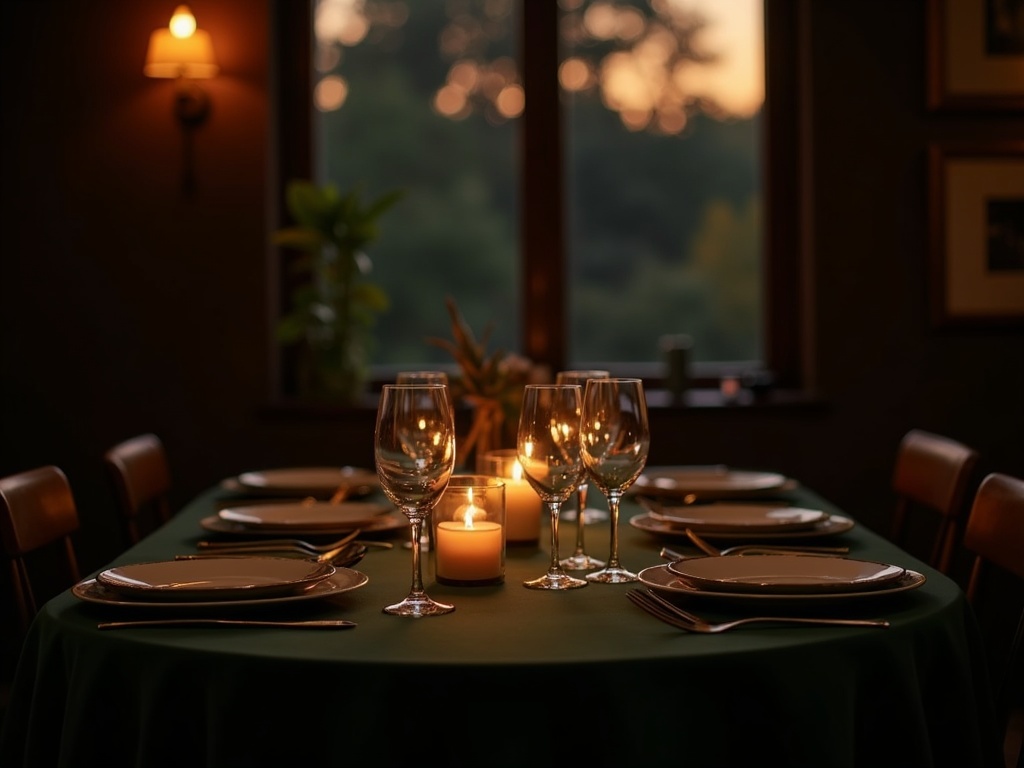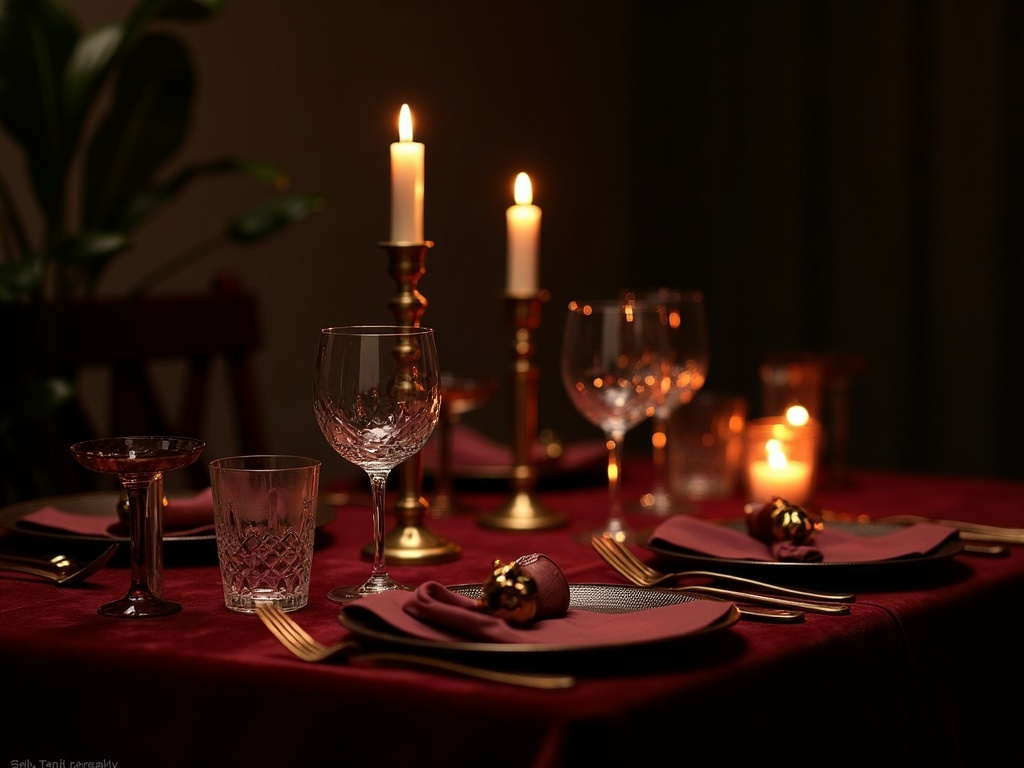
Somewhere between the chaos of a big night out and the low-key nothing of staying home, a different kind of birthday has been quietly gaining ground. No confetti cannons. No shouting over a playlist. Just a long table, good food, and the people you'd genuinely miss.
Why the Supper-Club Format Has Changed the Birthday Calculus
The supper club birthday didn't emerge from a trend cycle — it emerged from exhaustion. Exhaustion with venues that seat you at 6 p.m. and need the table back by 8:30. With birthdays that cost a fortune and leave the guest of honour feeling oddly hollow by midnight. With the performance of celebration rather than the thing itself.
What people are choosing instead is structure without formality. A set menu, a fixed guest list, a single room. The format borrows from the underground supper clubs that started appearing in London, New York, and Melbourne in the early 2010s — ticketed dinners in someone's flat, run by a chef who wanted to cook without a restaurant's overhead. The birthday version keeps the intimacy and ditches the ticketing.
The numbers back the feeling. Smaller gatherings — typically eight to sixteen people — consistently produce the conversations that guests remember. There's a reason wedding planners have been quietly steering couples toward long-table dinners for years. The same logic applies to a 40th birthday or a 30th that actually means something.
Choosing a Venue — or Just Staying Home
The honest answer is that your own dining room, if it can seat ten or twelve, is often the best option. You control the music, the timing, the candles, and the moment someone needs to leave early without it becoming a scene. You're not paying a venue minimum spend.
If home isn't workable, look for spaces that were designed for exactly this: private dining rooms at neighbourhood restaurants, wine bars with a back room, members' clubs that hire out their smaller spaces by the evening. In London, somewhere like Quo Vadis or 40 Maltby Street has hosted exactly this kind of dinner. In New York, the private room at Lupa or a booked-out corner of a wine shop in the West Village. The point isn't the prestige — it's the enclosure. You want a room that belongs to your party for the night.
Avoid anywhere with a fixed two-hour slot. A supper-club party lives and dies by its pace, and pace requires time.
Building a Menu That Actually Works for Everyone
Three courses is the right structure. Four if you want a cheese moment between main and dessert, which you probably do. Anything more and you're catering a wedding; anything less and it's just dinner.
The allergen and dietary question is the one hosts consistently underestimate. Send a brief note with your invitation asking guests to flag anything — not as a box-ticking exercise, but because a good host wants to know. If you're cooking at home, plan a menu where the vegetarian option is genuinely good, not an afterthought roasted pepper. If you're working with a venue's kitchen, ask specifically whether the chef can adapt rather than substitute.
A few things worth deciding before you finalise anything:
- Whether you want a set menu for everyone or two choices per course
- How you'll handle wine — a curated selection, a bottle-per-table allowance, or a simple house pour
- Whether the birthday cake arrives as a surprise or replaces dessert
- Who's plating if you're cooking at home (you need one person in the kitchen who isn't also hosting)
- Whether dietary notes go to you or directly to the venue
Writing an Invitation That Sets the Right Tone
The wording of an intimate dinner birthday invitation does a lot of work before anyone arrives. It signals the register — this isn't a drinks party that might turn into dancing, and it isn't a casual kitchen supper either. It's something considered.
Keep it direct. Something like: "Dinner for twelve, to mark Anna's 40th. Saturday 14 June, 7:30 for 8. Dress: whatever makes you feel good. We'll eat well and stay late." That's enough. You don't need a theme statement or a paragraph about how meaningful the occasion is — the guest list itself communicates that.
On Venito, you can add a dietary preference field directly to your RSVP, which means you're collecting the information you need without a separate email thread. It's a small thing that removes a genuine friction point for both host and guest.
Conversation That Goes Somewhere
The private dining birthday format creates the conditions for good conversation — but it doesn't guarantee it. A table of twelve people who don't all know each other needs a small amount of architecture.
The most reliable tool is a question placed on the table, literally. A card at each setting with a single prompt: "What's something you've changed your mind about in the last year?" or "What's the best meal you've eaten and where?" Not a party game, not an icebreaker — just a door left open. People use it when the conversation lulls and ignore it when it doesn't.
Seating matters more than most hosts admit. Put the people who talk easily next to the people who need drawing out. Seat the guest of honour somewhere central, not at the head — you want them in the middle of things, not presiding over them.
The supper club birthday works because it asks something of its guests: their presence, their attention, their willingness to stay at the table. Most people, given the chance, are relieved to be asked.