Someone always asks. A relative, a well-meaning friend, a colleague at the office who missed the memo. "But what are you having?" And when the answer is "we're keeping it a surprise" — or simply "we'd rather not make it the whole theme" — the party planning suddenly feels like it needs a rulebook that doesn't exist yet.
It doesn't have to be complicated. A gender neutral baby shower is really just a shower designed around the baby and the people celebrating them, rather than around a colour assigned at a scan. The challenge is making that feel intentional rather than like something was left out.
Why the Colour Question Keeps Coming Back
Pink and blue have been shorthand for baby celebrations since roughly the 1950s, and they stuck because they're easy. They tell guests what to buy, what to wear, what to write on the card. When you remove that signal, some guests feel genuinely uncertain — not because they're being difficult, but because the visual language of baby showers has trained them to expect it.
That's worth understanding, because it changes your job as a host. You're not just picking different colours. You're giving guests a new set of cues to follow. The theme, the palette, the invitation wording — all of it works together to say: here's what this celebration is about instead.
The good news is that once guests have those cues, they follow them happily. Most people are relieved to have clear direction. Give them something to hold onto and they'll run with it.
Palettes That Read Warm and Modern, Not Flat
The most common mistake with a neutral baby shower theme is defaulting to grey and white and calling it done. That combination can feel clinical rather than celebratory — more hospital waiting room than welcome party.
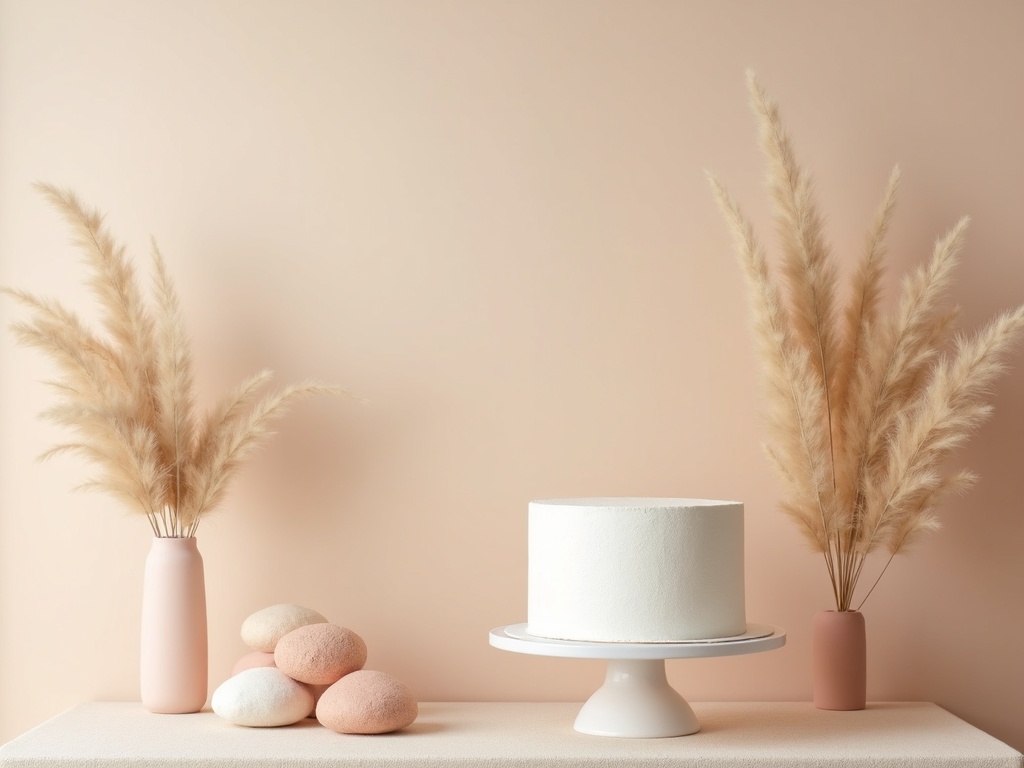
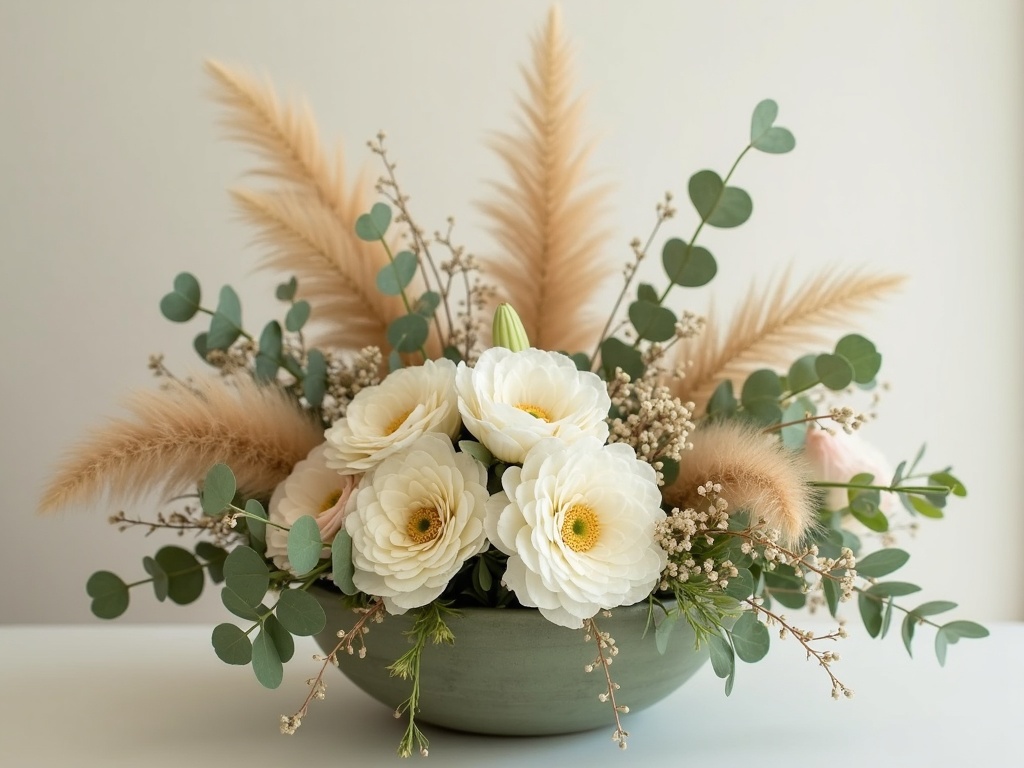
Modern baby shower colors that work well tend to anchor around a warm neutral — think terracotta, warm sand, dusty sage, or a soft ochre — and then layer in texture and contrast rather than relying on a second colour to do all the work. Linen napkins, dried pampas grass, beeswax candles, and wooden details all add visual warmth without introducing a gendered hue.
Some combinations worth considering:
- Warm sand, rust, and cream with eucalyptus greenery
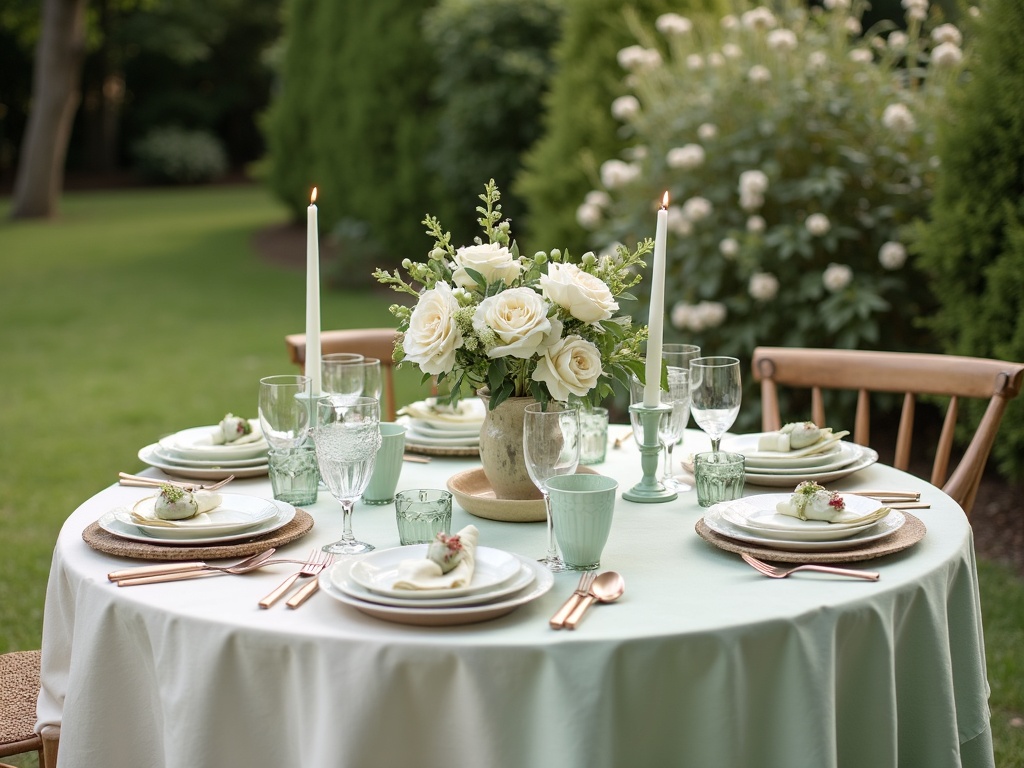
- Dusty sage, ivory, and soft terracotta
- Slate blue, warm white, and natural wood tones (slate blue reads as calm and modern, not "boy")
- Mushroom, blush stone, and muted gold
- Midnight navy and warm cream with brass accents
The trick is contrast and depth. Two tones of the same beige will look washed out in photos and in person. Pick one warm anchor colour, one near-neutral, and one natural texture, and you have a palette that photographs well and feels genuinely considered.
Wording the Invitation Without Giving Anything Away
Invitation wording is where a lot of hosts get stuck. The usual templates assume you're announcing a gender, so they don't quite fit. But a non-gendered baby shower invitation doesn't need to be awkward — it just needs to be reframed.
Instead of "It's a girl! Come celebrate Emma's shower," try something like: "A new person is arriving in October. Come help us get ready." Or: "Baby Rivera is on the way — join us to celebrate before the chaos begins." These feel warm and specific without the announcement structure.
If you want to address the elephant in the room lightly, you can. Something like "We're keeping the name and the rest a surprise — come as curious as we are" acknowledges the situation with a bit of humour rather than making it feel like a policy statement. Guests appreciate being let in on the spirit of it.
On Venito, you can customise the invitation copy completely, so you're not forced into a template that assumes pink or blue. The design palette and the wording can match the actual tone of the event rather than a default.
Activities That Don't Lean on Guesses
Gender reveal games are obviously off the table, but so are a surprising number of standard shower games once you look at them — many are built around predicting "boy or girl" in some form. The good news is the alternatives are more fun anyway.
"Wishes for Baby" cards, where guests write a hope, a piece of advice, or a memory they want to share, give the parents something genuinely meaningful to keep. A "first library" station where guests bring a favourite childhood book instead of a card has become popular for good reason — it's personal, it's useful, and it sparks actual conversation.
For something more interactive, a baby trivia game about the parents — how they met, where they got engaged, what they were like as children — keeps the focus on the family rather than the unknown.
Gifts That Work for Any Baby
Guests who want to buy something specific sometimes feel lost without a colour to anchor to. The most useful thing you can do is build a registry that signals clearly what you actually want, rather than leaving people to guess.
Practical items — nappy bags, muslin cloths, bath towels, sleep sacks — come in plenty of non-gendered options and are genuinely useful regardless of who the baby turns out to be. Brands like Mori, Colored Organics, and Burt's Bees Baby all produce ranges in warm neutrals and natural tones that don't read as a placeholder for something more specific.
For guests who want to give something more personal, experiences work well: a meal delivery subscription for the first month, a contribution to a future trip, a voucher for a local baby photography session. These sidestep the colour question entirely and tend to be the gifts parents remember most.