There was a time when sending a digital wedding invitation felt like a compromise — something you did when the budget ran out or the timeline collapsed. That time has passed.
What Shifted in the Last Three Years
The pandemic didn't just force people online; it changed what online felt like. Couples who sent digital save-the-dates in 2020 and 2021 out of necessity discovered something unexpected: guests actually responded faster, asked fewer logistical questions, and — critically — didn't seem to think less of the wedding for it.
That perception shift stuck. By 2023, digital invitations had moved from contingency plan to deliberate choice for couples at every budget level, from micro-weddings in Lisbon apartments to 200-person receptions at country estates in the Cotswolds. The technology caught up with the ambition.
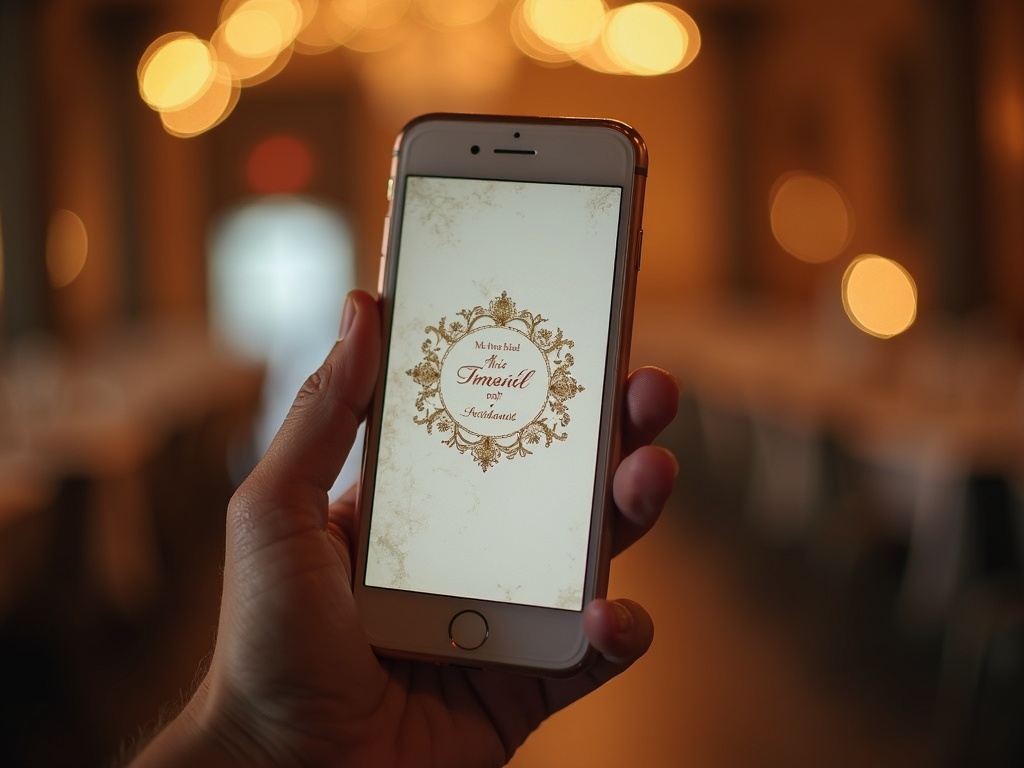
Design tools improved dramatically. Fonts, animations, and layout options that once required a professional now ship as standard templates. At the same time, guests got more comfortable with the format — tapping a link on their phone to see venue details, a map, and a gift registry all in one place stopped feeling impersonal and started feeling considerate.
The Paper-Versus-Digital Math Nobody Talks About
A traditional paper suite — invitation, details card, RSVP card, envelopes, postage both ways — runs anywhere from £4 to £15 per guest in the UK, or $5 to $18 in the US, before you factor in addressing, stuffing, and the three trips to the post office. For 120 guests, you're looking at £500–£1,800 before a single flower has been ordered.
A paperless wedding invite through a platform like Venito costs a fraction of that, and the savings don't disappear into a void. Most couples redirect the money toward the day itself — better food, a longer bar tab, a photographer upgrade.
There's also the time cost. Printing timelines slip. Calligraphers get booked out. A misprint means a reorder. With a digital invitation, you can fix a typo at 11pm the night before you send, and nobody will ever know it happened.
Designs That Don't Scream 'Budget'
The old objection — that digital invitations look cheap — was fair when the options were a plain HTML email with a stock photo. It isn't fair anymore.
Modern online wedding invitation design has genuinely caught up with letterpress and foil printing. You'll find options with custom watercolour-style illustrations, full-bleed photography, delicate serif typography, and subtle motion — a soft flicker of candlelight, petals drifting across the screen. None of these require design skills to use.
What actually makes an invitation feel considered isn't the medium; it's the specificity. An invitation that names the venue properly ("The Long Room at Ballynahinch Castle" rather than "a venue in Connemara"), uses your actual wedding palette, and includes a personal note from the couple will feel more intentional than a generic printed card from a bulk stationer.
Colour, font, and layout choices matter more than whether something is printed. If your wedding has a visual identity — even a loose one — carry it through your invitation. That coherence is what guests remember.
Tracking RSVPs Without a Spreadsheet
This is where digital genuinely wins, and it's not close.
Chasing RSVPs by post means waiting for cards that get lost, reading handwriting that says either "2" or "3" guests, and maintaining a spreadsheet that's always one version behind. Chasing RSVPs by phone means leaving voicemails for your partner's university friends who you've never actually met.
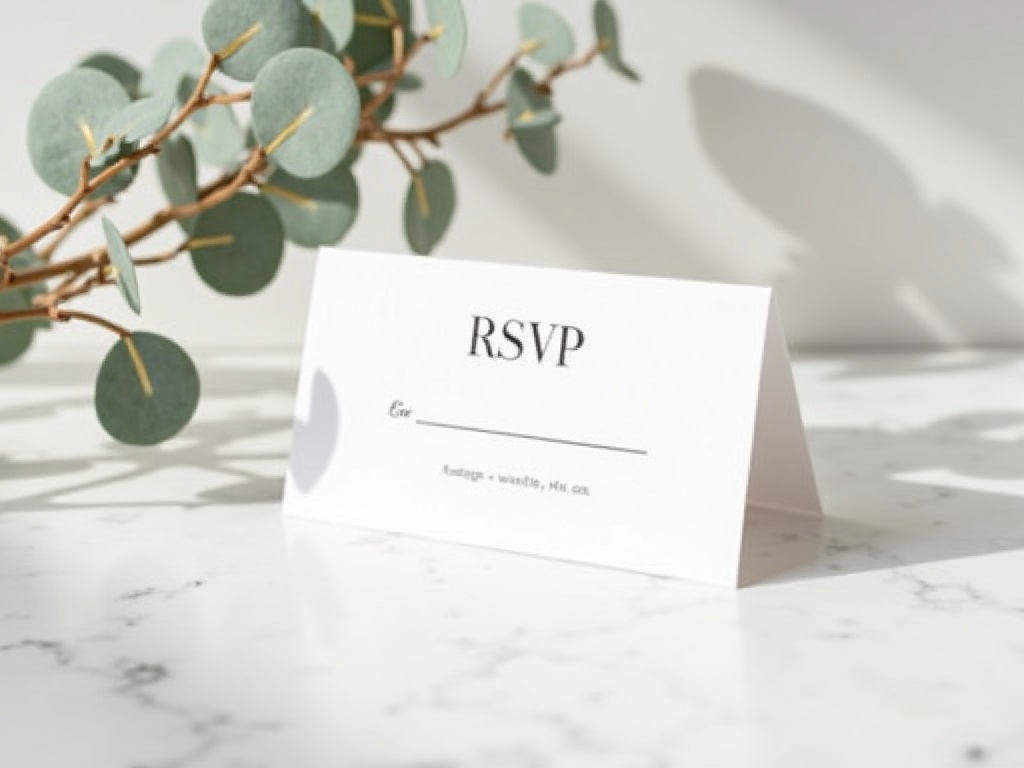
With a digital RSVP, guests respond directly into a system. You can see in real time who has opened the invitation, who has confirmed, who hasn't responded, and — if you've set up meal choices or dietary questions — what everyone needs. Venito's guest management tools let you send a single nudge to non-responders without composing individual messages, which is the kind of small mercy that matters enormously six weeks before a wedding.
You also get a clean export when you need to hand numbers to your caterer. No transcription errors, no last-minute panics.
What an Eco-Friendly Wedding Actually Looks Like in Practice
The environmental argument for going digital is real, but it's worth being specific rather than vague about it. A print run of 150 invitation suites involves paper production, ink, transport, and — most often — a second round of postage for RSVP cards. That adds up.
Choosing a digital route for your invitations is one of the more concrete steps toward an eco-friendly wedding, precisely because it's a high-volume item. Unlike switching to seasonal flowers (which requires supplier negotiation) or reducing food waste (which requires catering coordination), going digital is a single decision with an immediate, measurable impact.
It also removes the guilt of the inevitable reprints.
Handling the Edge Cases Gracefully
Every wedding has them: the grandmother who doesn't own a smartphone, the great-uncle who still uses a desktop from 2009, the family friend who simply prefers paper and will mention it.
These cases are real, but they're also manageable — and they shouldn't drive the entire invitation strategy for 150 guests.
A practical approach:
- Send digital invitations to the majority of your guest list as planned
- Print a small run — 10 to 20 cards — for guests you know genuinely can't or won't engage digitally
- For guests who are technically capable but prefer paper, a brief note acknowledging the format goes a long way: "We've gone digital this time — everything you need is in the link, but call us if you'd rather we post something"
- Designate one person (a parent, a sibling, a wedding party member) to be the point of contact for guests who need help navigating the link
Most guests who initially seem resistant come around once they realise the digital invitation contains more useful information than a paper card ever could — directions, accommodation links, dress code, schedule — all in one tap.
The Honest Case for Making the Switch
A digital wedding invitation isn't a lesser version of a paper one. It's a different format with genuine advantages: lower cost, faster delivery, real-time RSVP tracking, and the ability to update details without reprinting anything.
The couples who feel best about the choice are the ones who made it deliberately — who chose a design that reflected their wedding, wrote an invitation that sounded like them, and sent it with the same care they'd give anything else bearing their names. The medium matters less than the intention behind it.